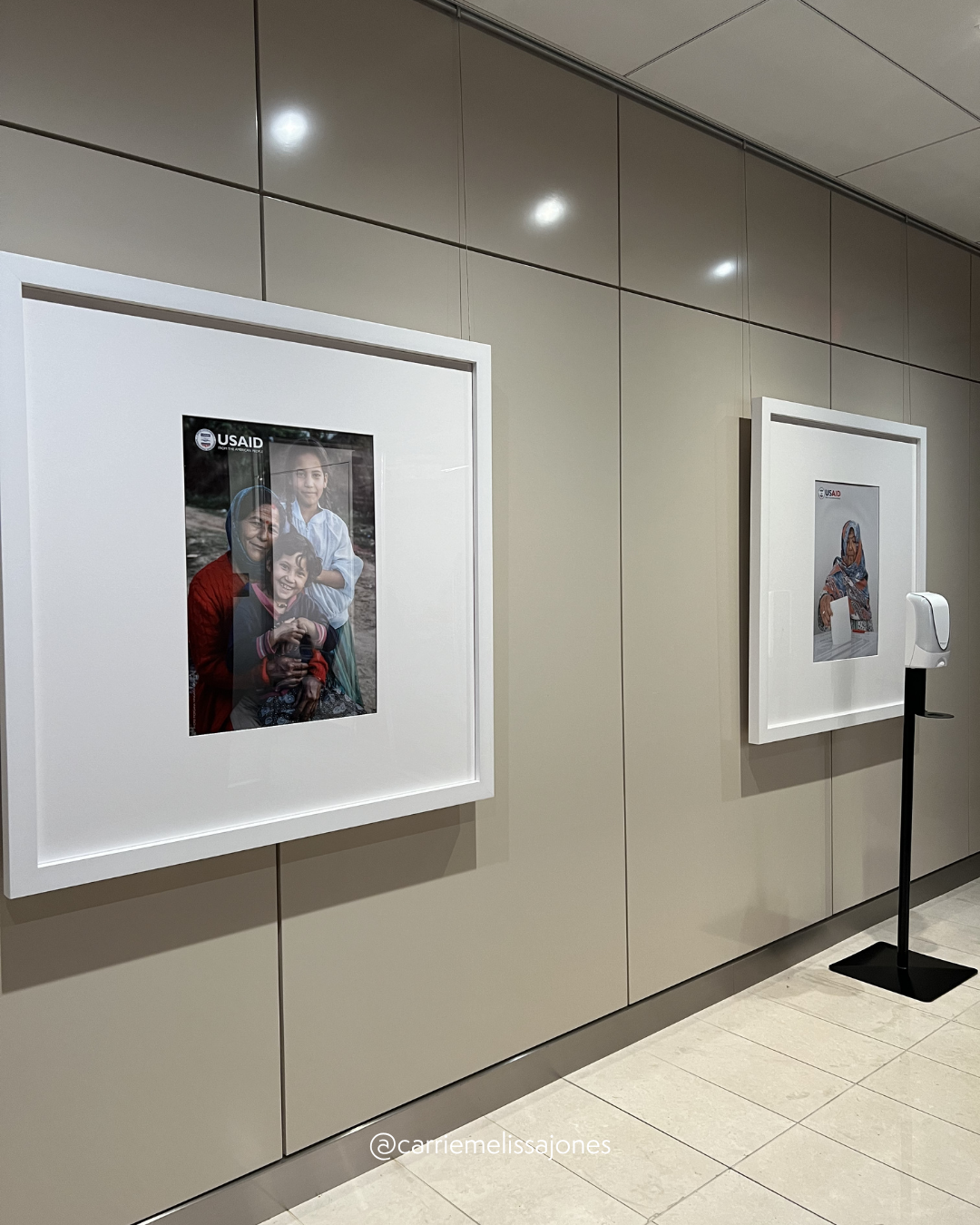
Digital Care Work at the End of the World: A Reflection from All Things in Moderation
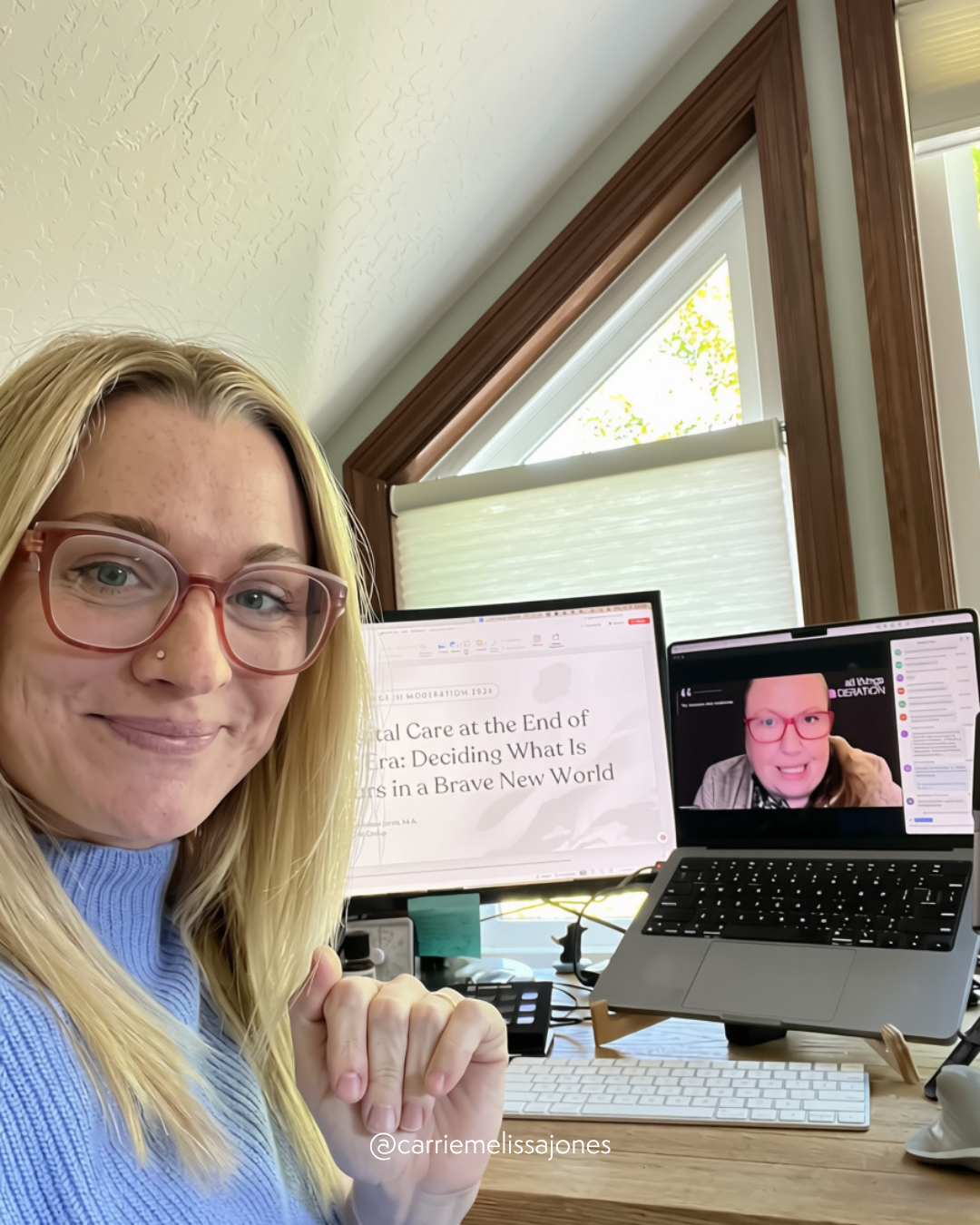
Preparing for my All Things in Moderation Talk
A few weeks ago, I delivered a talk for All Things in Moderation called “Digital Care Work at the End of the World.”
It was the first time I have reflected publicly on the community work I did with USAID that ended abruptly on January 20, 2025. That work taught me something it’s taken me over a year to articulate: as human beings building connection in a time of division, we have to actively protect ourselves against exhaustion. That is part of the job mandate.
Some context: In 2024, our team was brought on to advise an employee engagement initiative within USAID. We spent over a year strategizing, setting up, launching, and stewarding a Community of Practice. It culminated in an in-person summit with leaders from all over the world.
For two days, these leaders shared stories of how USAID-funded projects were taking fully localized approaches to human rights issues in each region. The care in that room was palpable.
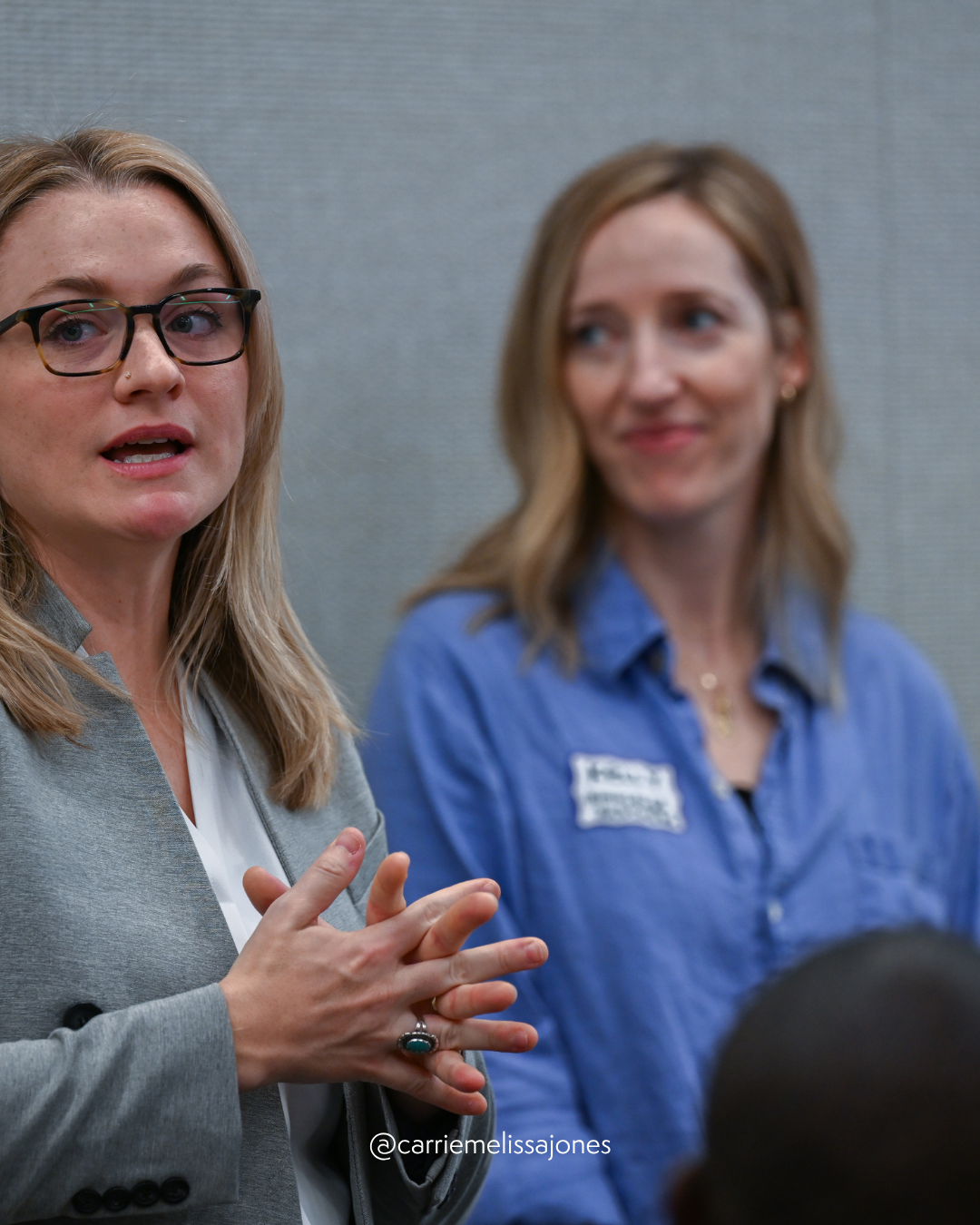
Carrie Melissa Jones and Kelly Shetron at USAID in 2024
But we can’t always stay in the heaviness. Near the end of Day 1, a leader from Senegal led an energizing activity where we all sang in a language none of us knew, and we ended up doubled over laughing.
I think of that room often. How it was filled with people who deeply cared, even though they knew that America’s relationship to their work was often tenuous.
None of us expected it to end so abruptly.
Now I imagine the USAID building we were all in, sitting empty (the federal government ended their lease and no one has rented it since). No more singing and laughter and storytelling. And the data tell a harrowing story of the impact of the agency’s closure. I won't go into it here.
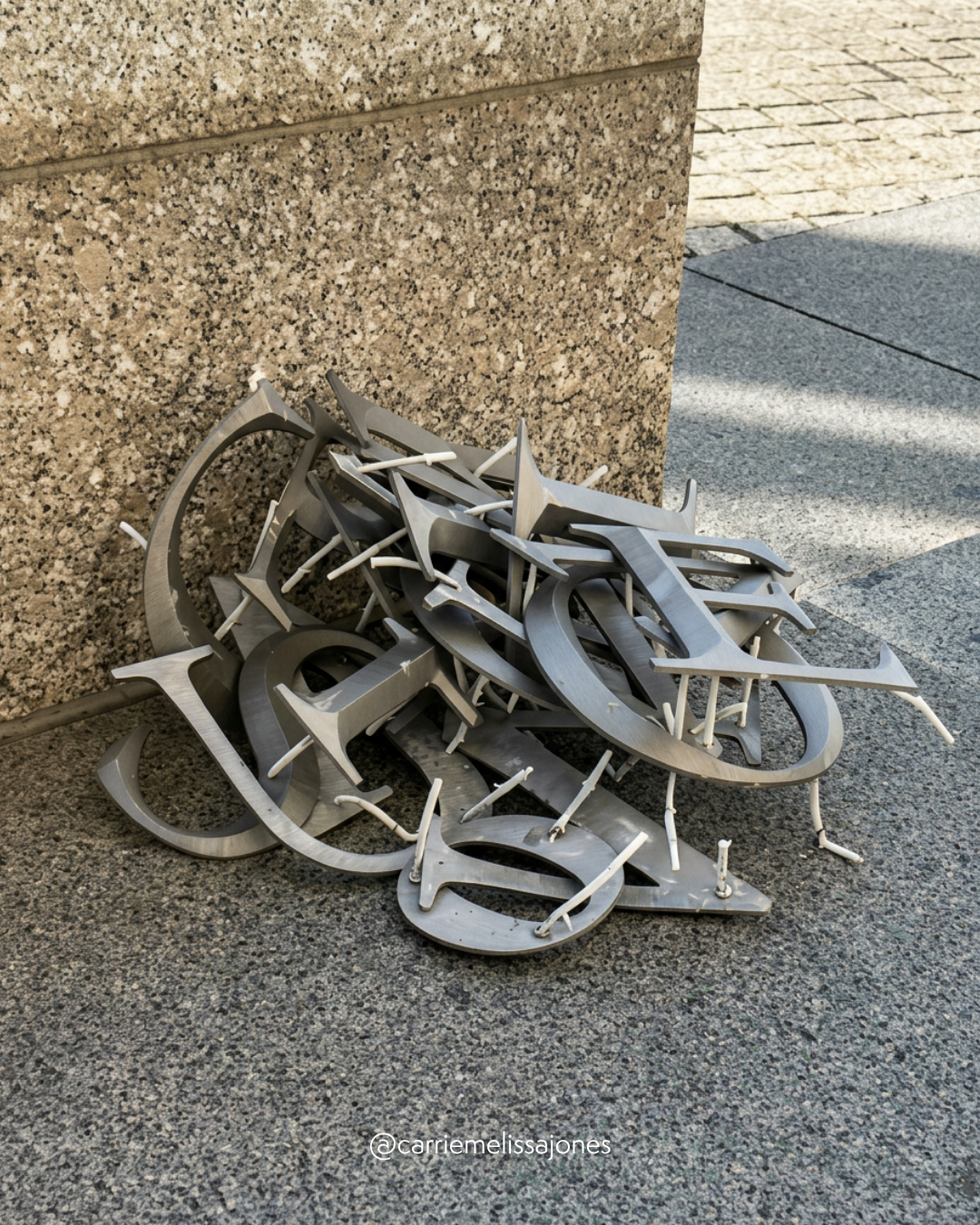
USAID letters removed from federal building, 2025
But it occurs to me that what we’ve lost, and what has made so many of us so tired, is the shutdown of infrastructure for care and connection. USAID is just one example.
When communities close, they leave empty space that rarely gets filled with the same care. Who will pick up the pieces?
Now, care work is being deliberately defunded in both the public and private sectors. The people holding communities together are absorbing the cost with fewer resources and support. If you are doing this labor and you are tired: that's a rational response.
The exhaustion doesn’t mean you’re failing but it DOES mean that the strategy to wear you down and stop caring is working. And that cannot happen.
We are facing a war on care. In this war, we have three things to protect:
Time: protected space to think and feel
Space: a place for gathering
Reciprocal labor: people who share the weight with you
All three are under attack right now.
Everyone keeps telling us: work smarter, use AI, automate. That’s not the solution.
AI cannot grow human-to-human connection, by definition. Only distributed care work, done by leaders who show up day after day, can do that.
We have to fight back with more care, for our communities and for ourselves. That means carving out time for yourself and the people close to you. Advocating for public spaces, or inviting others into your private ones. Asking for help more often than jumping in to do it all yourself.
This is what I’m encouraging each of us to focus on, right where we are.