
WhatsApp Communities Explained: Features, Benefits, and How to Use Them in 2026
What we’re unpacking today:
What kind of community is WhatsApp a good fit for?
What kind of community is WhatsApp not good for?
Is WhatsApp safe?
In case you missed it: It’s been a minute, but we’re back. We—Carrie and Kelly from Team CMJ—use these newsletters to explore trends, tensions, and issues related to community building (and those em-dashes are human-written; no AI is used in creating these newsletters).
We share more about our goal for these conversations in our “community newsletter experiment” post.
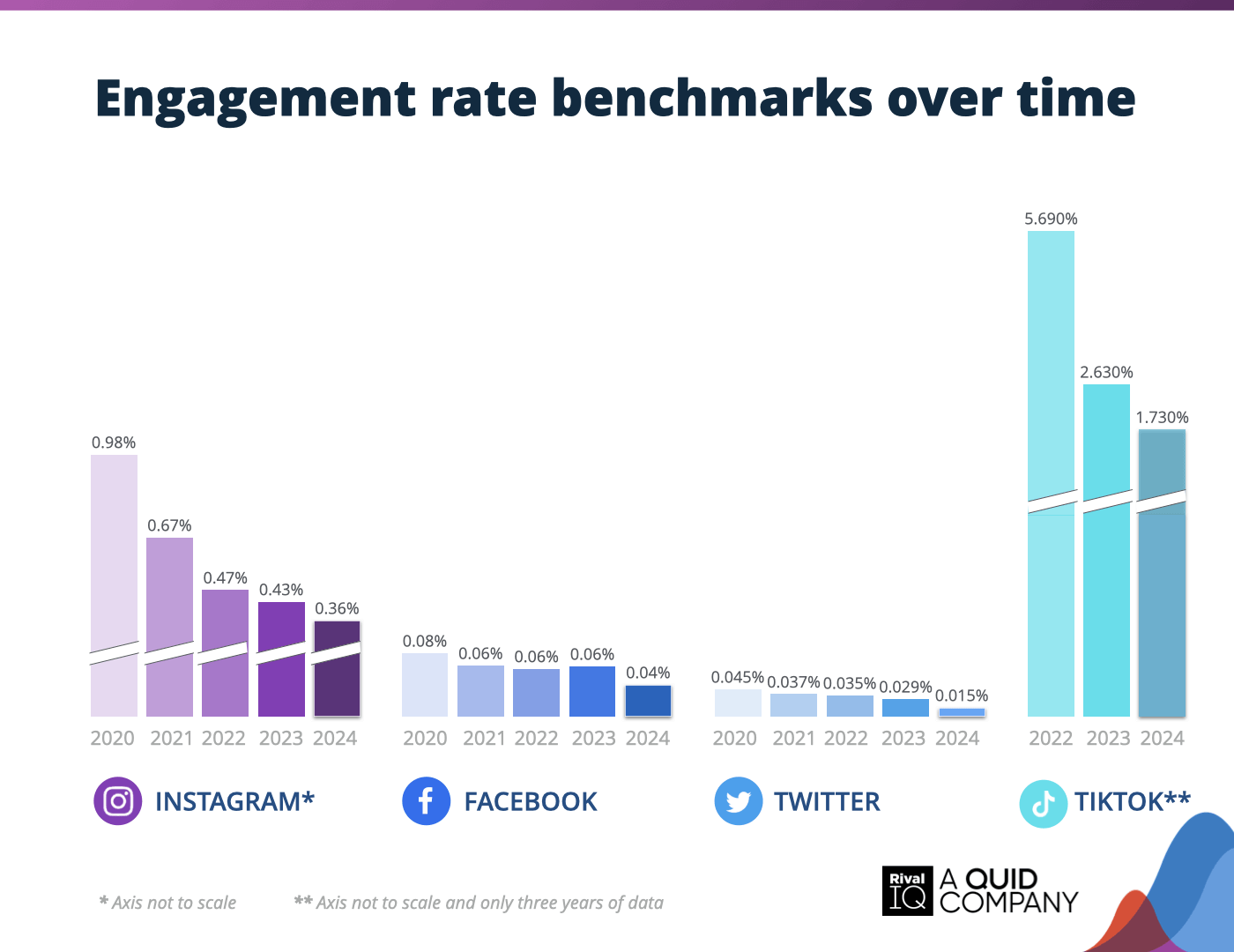
While overall social engagement was down in 2025 and is expected to keep declining in 2026 (see chart below), private communities and memberships are booming. People are escaping the noise, AI slop, and conflict now overriding large public digital spaces.
One of the platforms surging in popularity is WhatsApp.
For those working in highly regulated industries, WhatsApp is a no-go. But for the rest of our contexts—our friends and family, neighborhoods, and more—WhatsApp is a major tool being used globally today.
And, by the metrics that matter most to us as community builders, WhatsApp seems to be working...
In fact, 48% of WhatsApp superusers report feeling connected to other people and groups on the messaging app, higher than on other apps like Facebook, YouTube, and Instagram, according to research by The University of Texas at Austin and New_Public.
Today, we’re uncovering what’s behind the power of WhatsApp and who should be looking at it for their community platform:
KELLY: When we work with large organizations or institutions, they tend to run their communities on enterprise platforms or platforms like Gradual, Insided, Circle, Slack, and other similar digital spaces that do not tend to be mobile-first. What kind of community might be a good fit for WhatsApp compared to some of these other platforms?
CARRIE: In our research and talking with other community builders and clients, we’ve learned that WhatsApp is best for communities that have:
Globally dispersed networks (except in China and a few other countries where WhatsApp isn't available)
Small groups, ideally no more than ~50 people
A desire to connect while on the go, not just during a stationary workday
Enough trust in their members (and a lack of privacy concerns) that it’s OK for members to see each other’s phone numbers (this is not a small benchmark to reach!)

Cat on phone GIF by MOODMAN via Giphy
I think WhatsApp groups are great if you have a tight-knit group of friends who are trying to keep in touch synchronously (we talked in our last newsletter about your moms’ group, for instance) or a member-run collective.
Think of it like having a large text message group. It’s going to be powerful, but it can also get quite annoying, and people will start tuning it out if the activity isn’t relevant to them. So leaders must tread lightly.
KELLY: What kinds of communities is WhatsApp not good for?
CARRIE: They’re not a fit for those in regulated industries (WhatsApp surfaces members’ phone numbers to one another, so that’s a major security concern). They are also not great for large networks. There is just too much noise. You might set up a WhatsApp Community in that case (a special way to set up WhatsApp so you can have subgroups within a single larger group), but you still have to be careful not to overwhelm members.
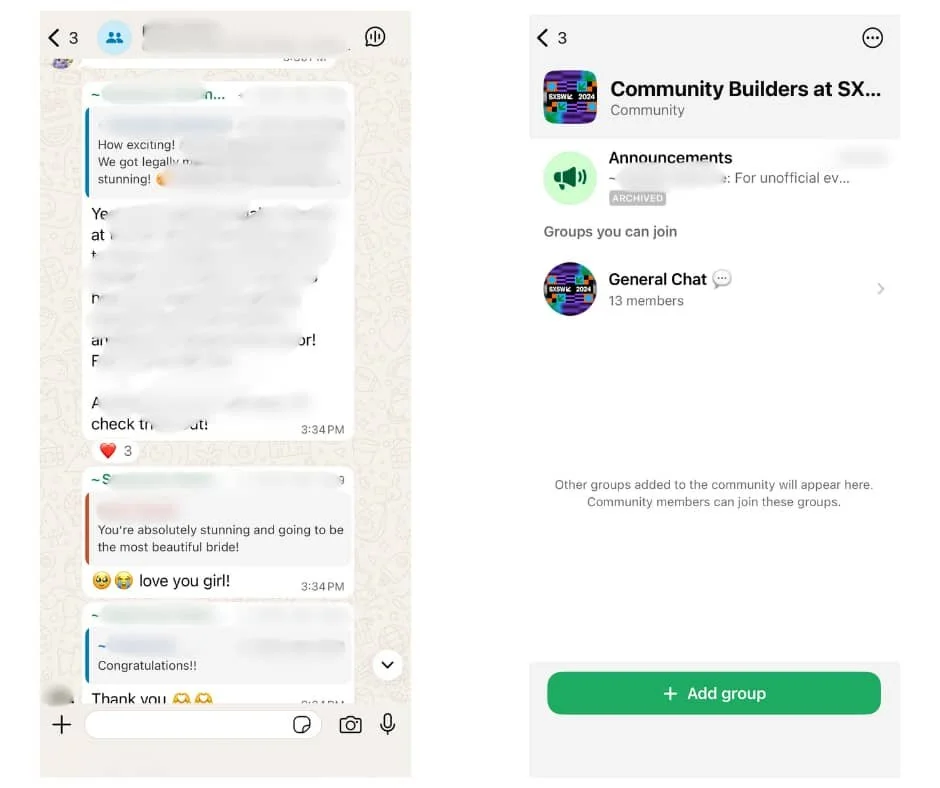
Side-by-side comparison: Whatsapp Groups on the left, Whatsapp Community on the right
They’re also entirely unnecessary for groups that don’t need to communicate in real time. For example, I’d never use WhatsApp for our CMJ membership community. It’s just not necessary to have that level of synchrony or responsiveness, even if some members tell you that’s what they want (and they will… people constantly ask us for Slack or WhatsApp groups, and the answer is always, with love: “No, we’re not trying to create an environment of urgency here.”)
I also want to note that a migration from groups to communities is usually not worthwhile. We have clients all the time who have members who go rogue and start WhatsApp groups, and then want to convert them into communities that their organization owns, and it’s not a small task to get done. It’s often better to start fresh.

Kermit The Frog No GIF by Muppet Wiki via Giphy
KELLY: One benefit of WhatsApp (and sometimes Slack) is that people tend to already have it on their phone. If you don’t need to download a new app to get into a community, the barrier to entry is arguably lower. How heavily should community builders weigh this factor when selecting a platform?
CARRIE: Yes, this is a big one that should be weighed. One of the rules of good community building is to go where members already are, whether that be WhatsApp, Reddit, Slack, etc. So ask your members! What do they prefer? This should be one factor to weigh, not the entire decision-making structure, but never be afraid to ask.
KELLY: Last year, we talked about Substack and safety. How does WhatsApp measure up?
CARRIE: Substack and WhatsApp are not good options if safety, security, and ethics are primary concerns for your members. WhatsApp is probably worse for safety than Substack because it's owned by Meta, which has a consistently bad record of violating user safety on a much larger scale and has shown, year after year, a blatant disregard for human rights violations perpetuated on their platforms.
In September 2025, a whistleblower who was head of security for WhatsApp accused Meta of ignoring major privacy and security flaws affecting billions of users. It is, put simply, not a safe place to discuss highly sensitive information. Personally, I would not build a community there if I were even a bit concerned about user safety (and I always am, thus I do not personally lead communities there).
Moderating on WhatsApp is also a nightmare; it simply isn't designed for large-group discussions and the human labor required to keep them going.
KELLY: Big things to keep in mind! That’s a wrap from us on WhatsApp, but we always love hearing from you. If you’ve built a community on WhatsApp or have considered it, comment below and let us know about your experience.
Want to grow and tend to your bold, visionary community?